A calm and personal approach
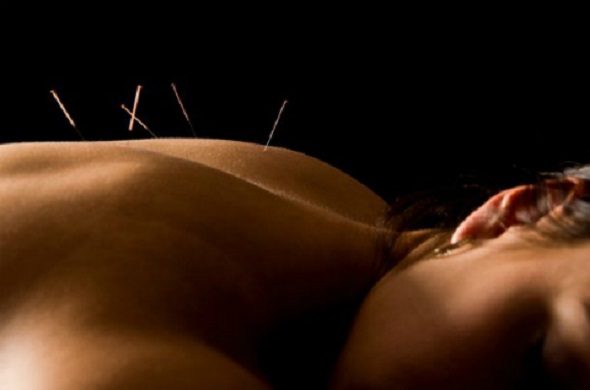
Traditional acupuncture has its roots in ancient China, with the view that when our bodies are healthy, there is plentiful energy and it flows smoothly in our systems. However if we fall ill, the energy flow is disrupted. Acupuncture helps to restore a balance and thus enables the body to promote its own healing.
Modern research suggests that acupuncture produces a fascinating variety of effects from sensory nerve stimulation, to production of biomolecules such as endorphins and influencing changes in the fascia, all of which which are beginning to piece together a scientific explanation for its health benefits.
Traditional acupuncture is a profoundly relaxing therapy which looks to regulate any imbalances which may be at the root of a variety of conditions.
NICE (the National Institute for Health and Clinical Excellence) now suggests considering it for management of chronic pain.
Every person is unique in terms of mind, body and spirit, with each component working in harmony to maintain health and vitality. As a holistic system of treatment, acupuncture looks to discern and treat, not just the symptoms, but also the underlying causes of disease. The aim is to assess imbalances in the body and tailor a personalised treatment plan for that individual. As well as treating specific problems, it may also be used in order to assist in maintaining good health and well-being.
It is always recommended that you visit your GP in the first instance and let them know that you are considering seeking acupuncture treatment. Examples where acupuncture can be used, often as an adjunct to conventional therapies, include:
Fertility Acupuncture
I support people trying to conceive naturally and also during their preparation for IVF cycles
Pregnancy Acupuncture
Morning sickness in pregnancy and Moxa for turning baby in breech position
Acupuncture for short term relief of other conditions
- migraine and tension type headache
- osteoarthritis knee pain
- chronic low back pain
- side effects of radiotherapy and/or chemotherapy including xerostomia (dry mouth)
- symptoms of overactive bladder syndrome (through electro-acupuncture at the Sp 6 point)
- neck pain or chronic neck pain
- temporomandibular (TMD/TMJ) pain
Paediatric Acupuncture for Babies and Children
A lovely and gentle Japanese technique Shonishin Paediatric Acupuncture for Babies and Children
Acupuncture Research
Due to increasing public interest in the subject over the last few decades, considerable scientific research has been carried out into acupuncture. The following useful database shows the currently available research studies Cochrane Collaboration reviews of Acupuncture
What my patients say
"After a large amount of damage to my upper arm due to misuse of a machine in a gym, the pain was intense, like a firework exploding in my upper arm. The large doses of painkillers were not helping and my doctor recommended acupuncture. This significantly reduced the pain and the swelling on the tendons and with time and patience both repaired, and I am back at the gym with light weights. I cannot thank Bea and the staff at Ginger enough for the treatment and friendliness shown to me at a difficult time." J.B. Harpenden.
"I first met Bea when she treated me for a back complaint and immediately warmed to her. Her attention to detail, kindness and skills make her a wonderful healer and she goes that extra mile for her patients - and for me that made all the difference to my pain relief and recovery. I could not recommend Bea more highly. She is a wonderful practitioner and a lovely person." C.W. London.
"Thank you Bea for using your expert acupuncture skills to heal my wrist and knee injuries so that I could continue in my Martial Arts training. You`ve really done an excellent job as I am now back to punching and kicking with full force! Your warmth and pleasant personality made it almost enjoyable to be needled!" A.A. London (8th Dan).