FAQs
What can acupuncture help with?
Acupuncture has been used for centuries for a variety of complaints and is well known for its use in pain management. The main focus of my practice is women's health especially for fertility and pregnancy.
How can I check that you are properly trained as an acupuncturist?
In the UK, the British Acupuncture Council (BAcC) is the accredited register for traditional acupuncture by the Professional Standards Authority (PSA). You can check their website for qualified acupuncturists at https://www.acupuncture.org.uk. Accreditation demonstrates commitment to high professional standards, to enhancing safety and delivering better service. The PSA recommends that the public only see practitioners on an accredited or statutory register, giving you the confidence you need. Under General Medical Council guidelines, GPs may refer to practitioners listed on a PSA register.
I have a First Class honours degree (BSc) in Traditional Acupuncture accredited by Portsmouth University and trained at the London College of Traditional Acupuncture, qualifying in 2010. My degree is validated by the British Acupuncture Accreditation Board (BAAB) and I am a member of the British Acupuncture Council (BAcC), therefore bound by their codes of safety and ethics and covered with full professional indemnity and public liability insurance.
Will I feel the acupuncture needles and will it hurt?
Fine, sterile, disposable needles are used and the process should be almost painless. The most common feeling is a slight pinprick and some dullness around the area needled. The needles are left in place while you relax for approximately 20 minutes.
Is acupuncture safe?
Acupuncture is very safe when performed by qualified professionals using sterile, single-use, disposable needles.
What should I wear?
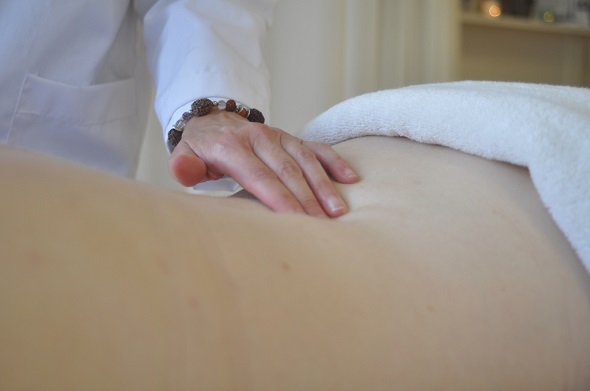
The most commonly used points are on the arms, legs, abdomen, back and head, and so loose comfortable clothing is ideal.
Are there any side effects of acupuncture?
Any side effects are usually mild and temporary, such as mild bruising or light headedness and typically resolve on their own.
How long is a treatment and how often do I need to come?
The first treatment may take between 45 and 60 minutes, with follow-up treatments around 45 minutes. An individual treatment plan will be suggested and discussed with you, but as a guide, a typical course of treatment is between 5 and 8 sessions and depends on the responsiveness of each individual to the treatment as well as the duration of the condition.
How does acupuncture work?
Acupuncturists view the human body and mind holistically with all aspects interconnected and ideally being in balance with eachother. We use needles to restore balance, calming the nervous system, with endorphine and neurotransmitter release signalling throughout the interstitial spaces connecting the whole body. There are also mechanical effects on the fascia and local effects of promoting blood flow.
How do I prepare for my first visit?
You should eat something in the two hours before having acupuncture otherwise you may feel faint, but avoid caffeine. Allow for some relaxation time afterwards.
At your first consultation, we will spend some time talking through what is going on for you and cover a wide variety of topics such as symptoms, medical history, diet and digestive system, sleeping patterns and emotional state as well as any treatment you have received to date. I will feel your pulses and examine you tongue.
From this detailed questioning and observation, I will then select an appropriate combination of points to needle.
What other types of treatments may be included?
Some techniques I may use alongside acupuncture are:
- Cupping
- Electro-acupuncture
- Guasha
- Moxibustion (moxa)
- Ear seeds and auricular acupuncture
- Functional Medicine